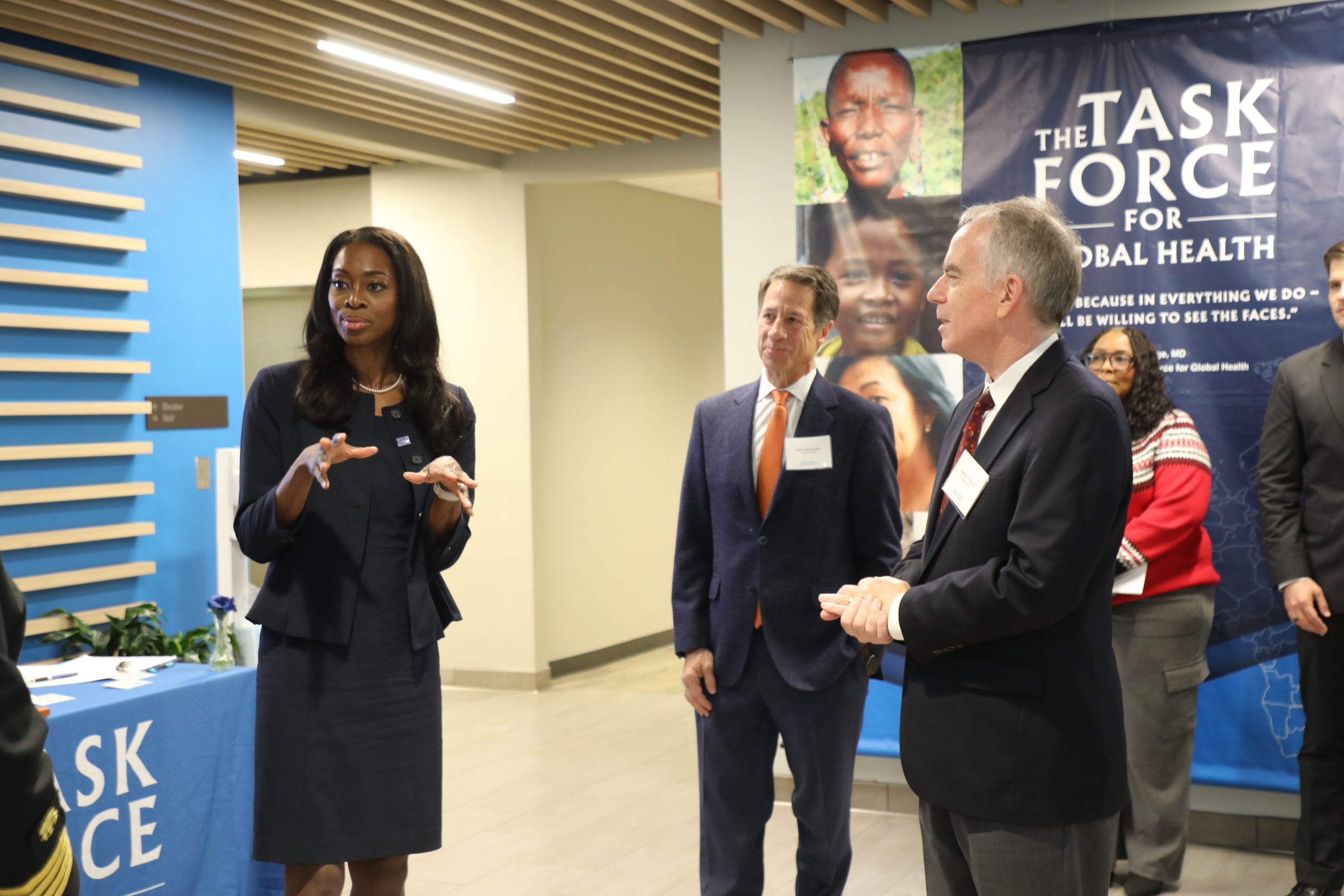
On November 17, The Task Force for Global Health and several Atlanta-based global health partner organizations were honored to welcome Dr. Erica Schwartz, Director of the Centers for Disease Control and Prevention (CDC), for a special reception.
Partner organizations in attendance included CARE, CDC Foundation, The Carter Center, Georgia State University’s School of Public Health, Morehouse School of Medicine, and Emory University’s Rollins School of Public Health.
“We appreciate the opportunity to hear about Dr. Schwartz’s global health priorities and to create space this evening for her to meet and talk with the Atlanta-based organizations that are leading and partnering to achieve lasting global health impact” said Dr. Patrick O’Carroll, President and CEO of The Task Force for Global Health.

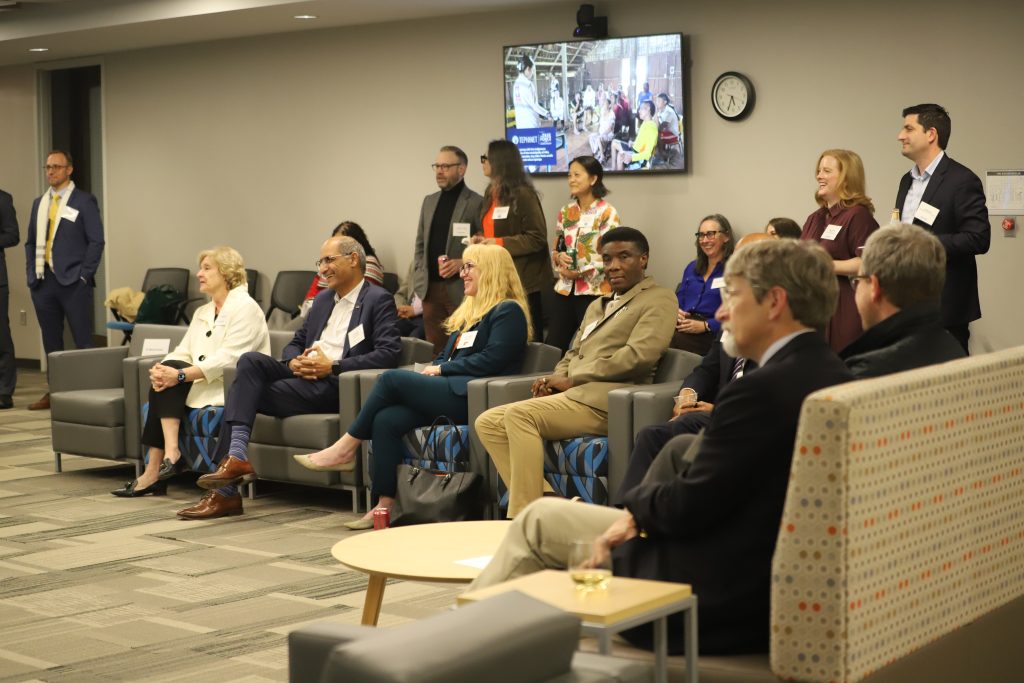
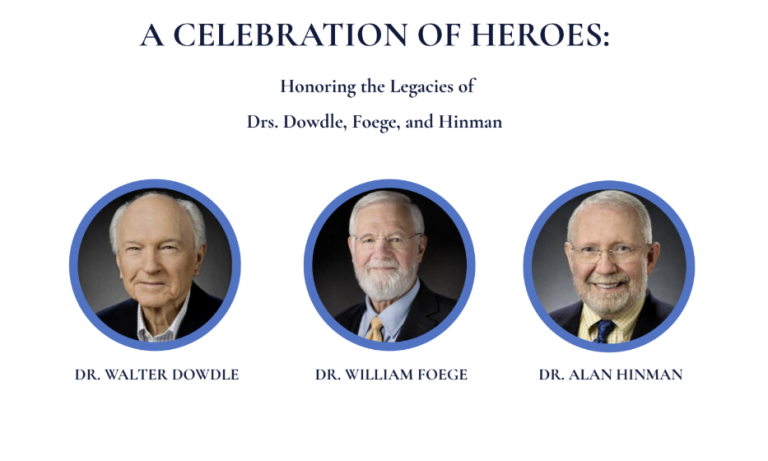
Rooted in a shared commitment to global health progress through collaboration, CDC has been a valued partner of The Task Force since its founding in 1984. During her remarks, Dr. Schwartz honored the life and legacy of Task Force Founder and former CDC Director (1977-1983) Dr. Bill Foege, who helped establish this enduring partnership.
With CDC marking its 80th anniversary this year, Dr. Schwartz highlighted three core principles that guide CDC’s work and joint efforts.
“Since becoming CDC Director, I have emphasized three priorities that will guide our work: trust, readiness, and partnership,” said Dr. Schwartz. “These priorities are closely connected, and each is essential to our global health mission.”
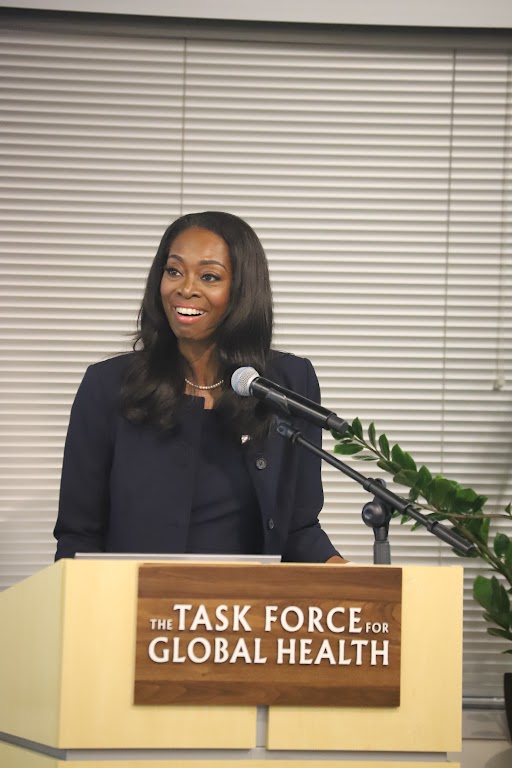
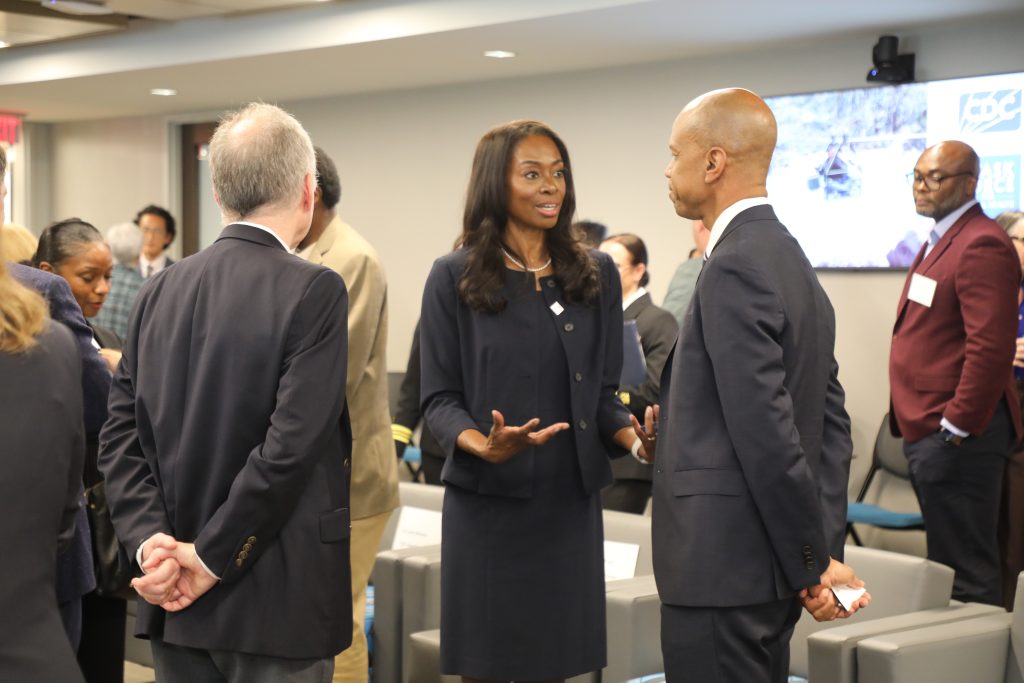
Dr. Erica Schwartz speaking with Dr. Rodney Lyn from Georgia State University’s School of Public Health at The Task Force for Global Health on November 17. Photo credit: Ryan Baptiste for The Task Force for Global Health.

During her remarks, Dr. Schwartz spotlighted key examples of how CDC and Task Force operationalize trust, readiness, and partnership, including working in collaboration with The Task Force’s Partnership for International Vaccine Initiatives, the Training Programs in Epidemiology and Public Health Interventions Network, and the Polio Eradication Surge Capacity Program.
“The Task Force’s history is a reminder that meaningful public health progress requires persistence, strong relationships, and a willingness to work across organizational and geographic boundaries” said Dr. Schwartz. “It is also a reminder that the investments we make in public health today can benefit communities for generations to come.”